Architectural Surfaces
Roman Travertine

Roman Travertine

Travertine
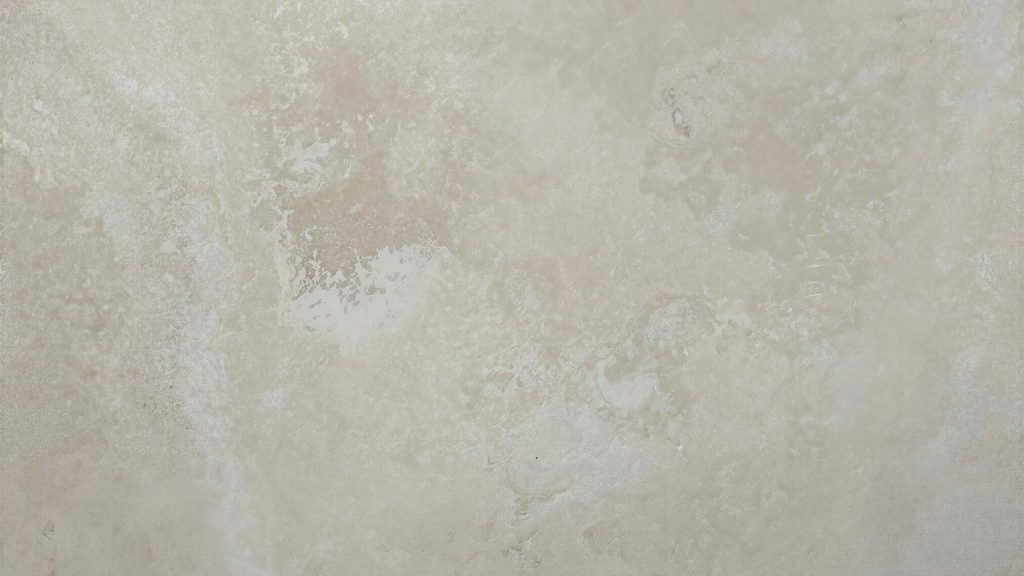
Roman Travertine closeup Close Up

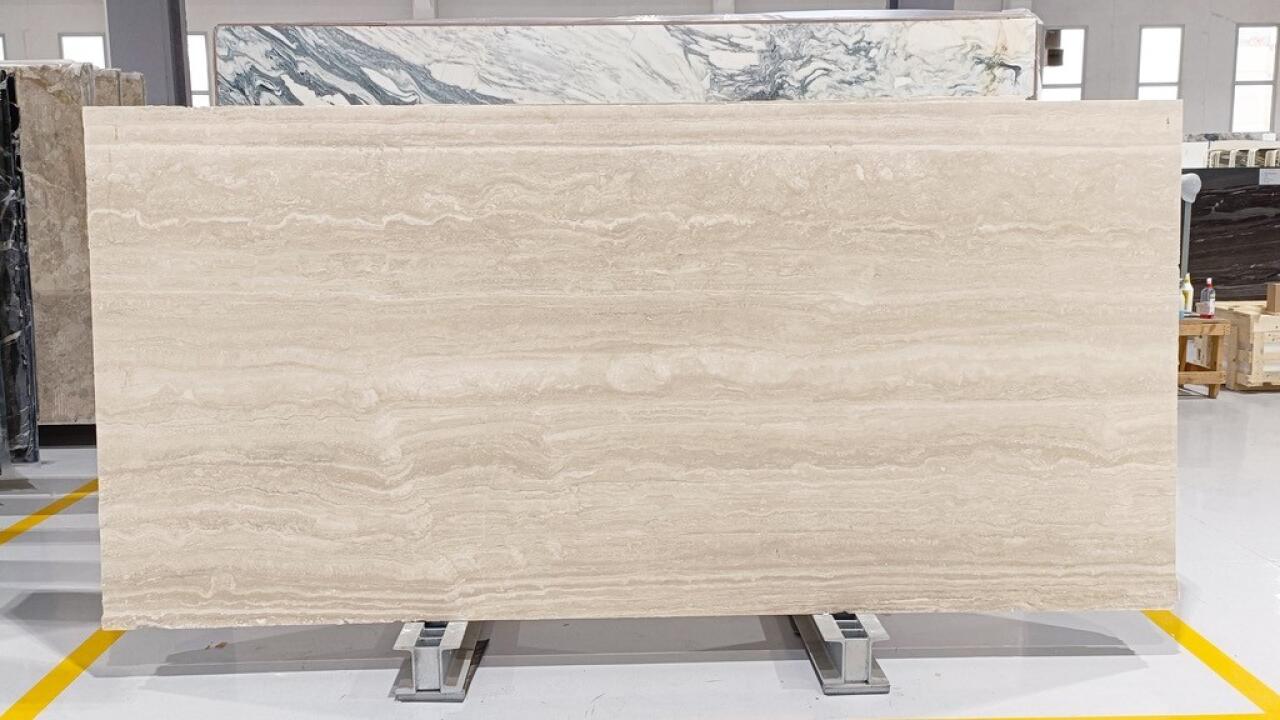
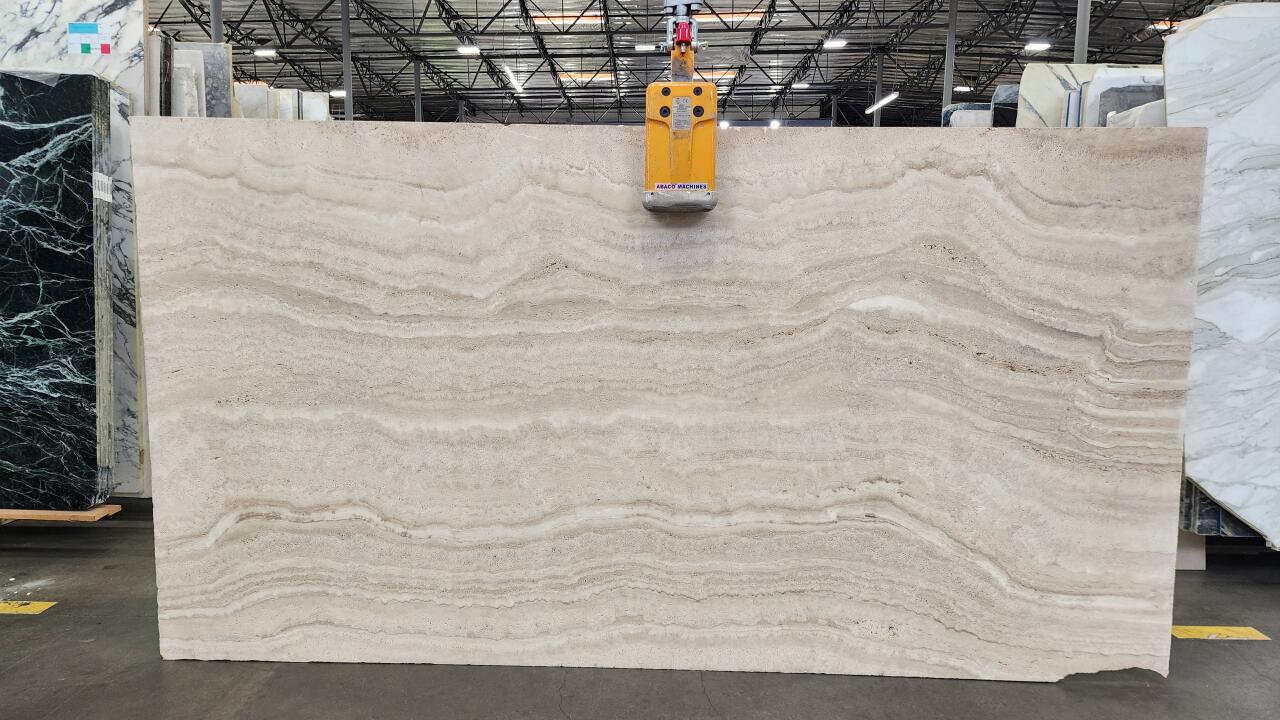
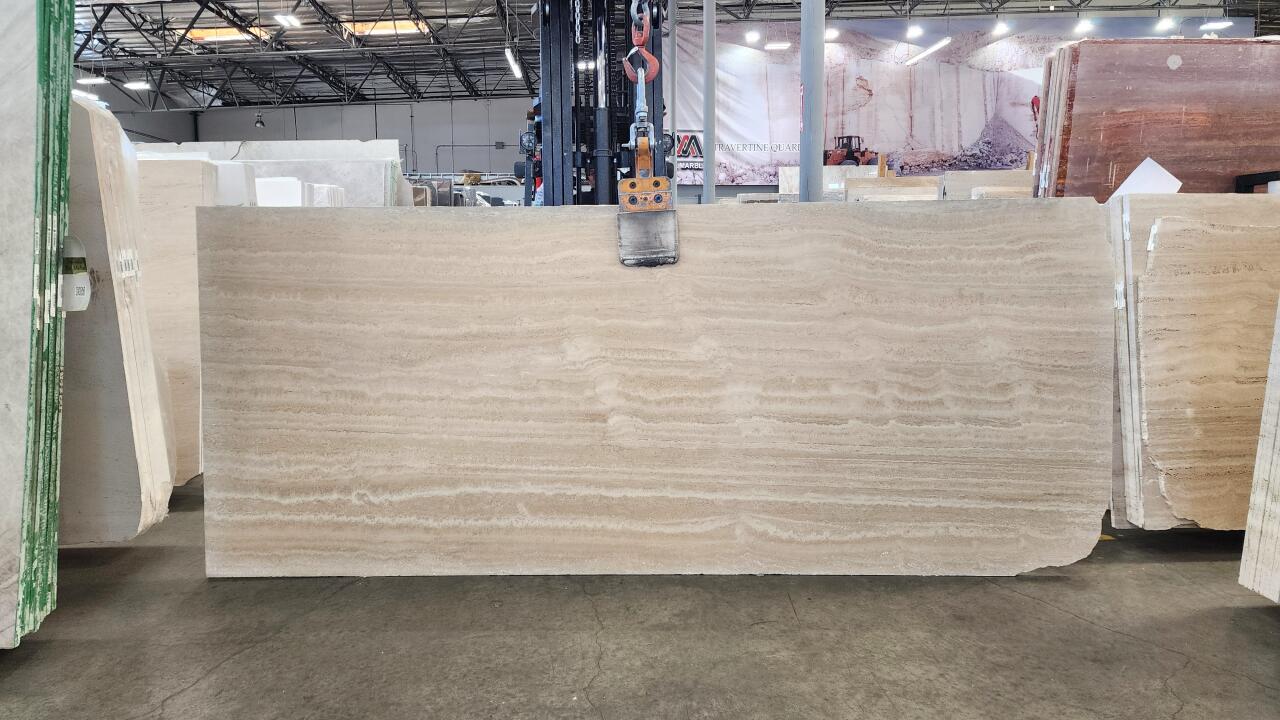
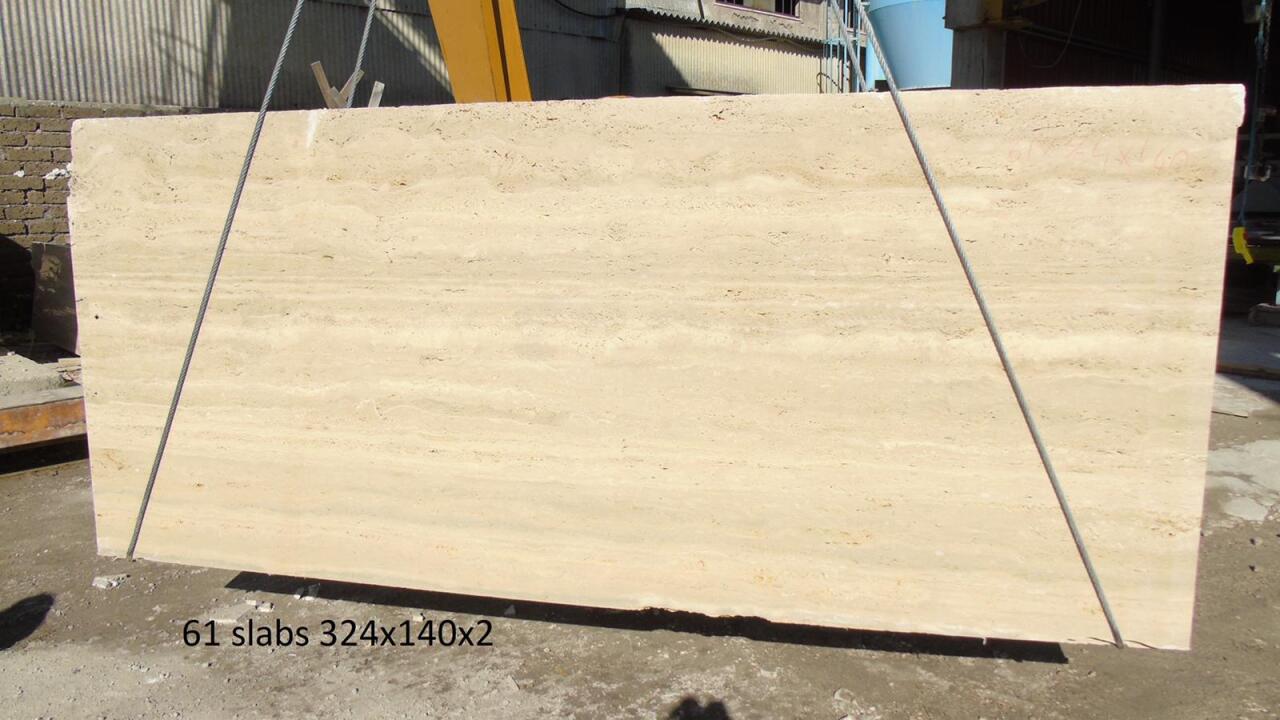
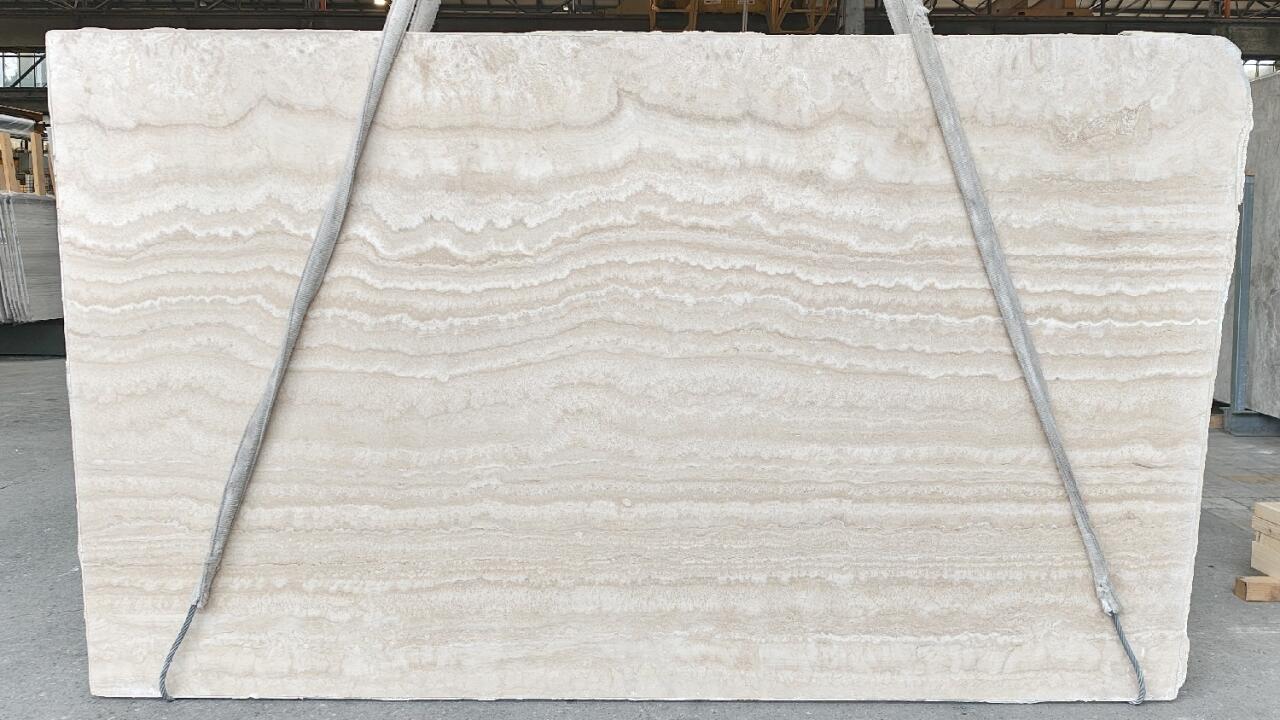
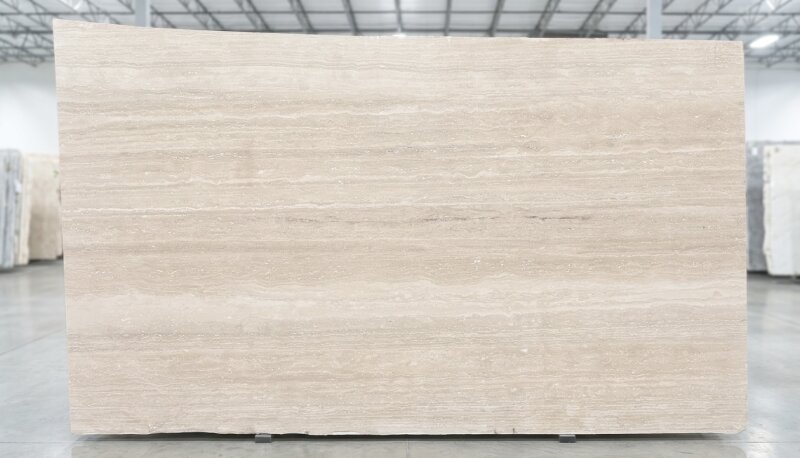
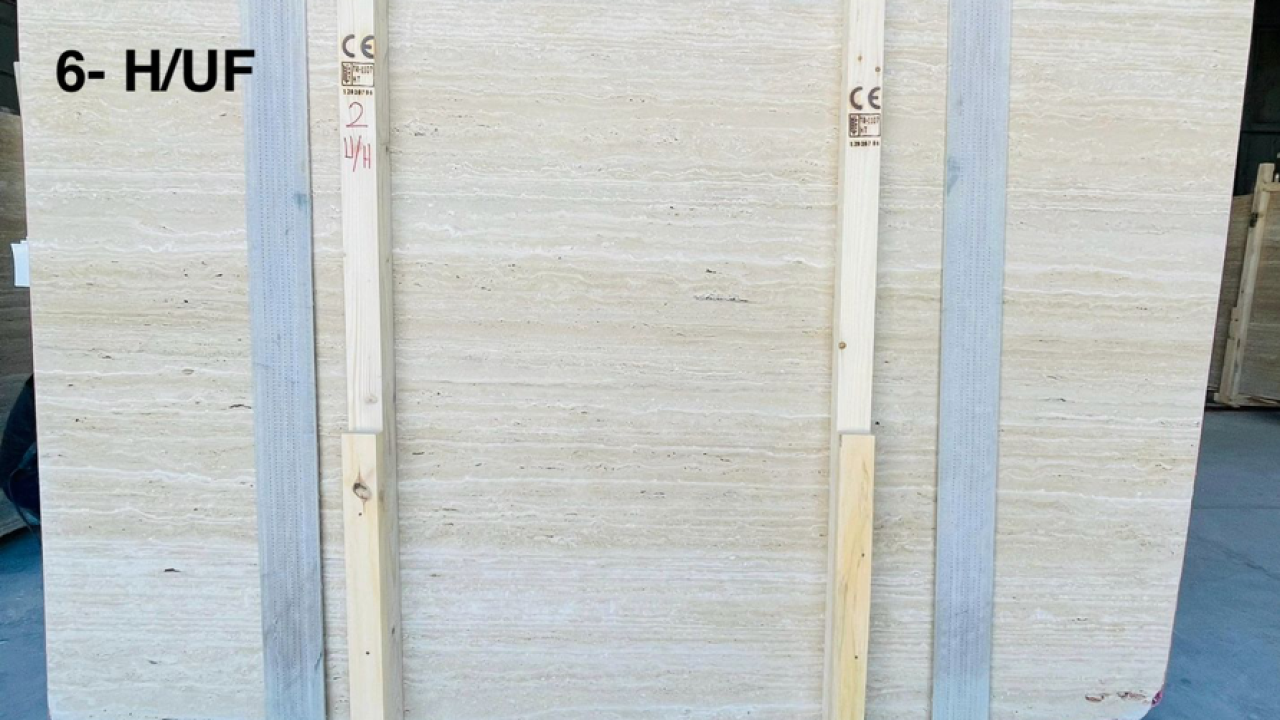
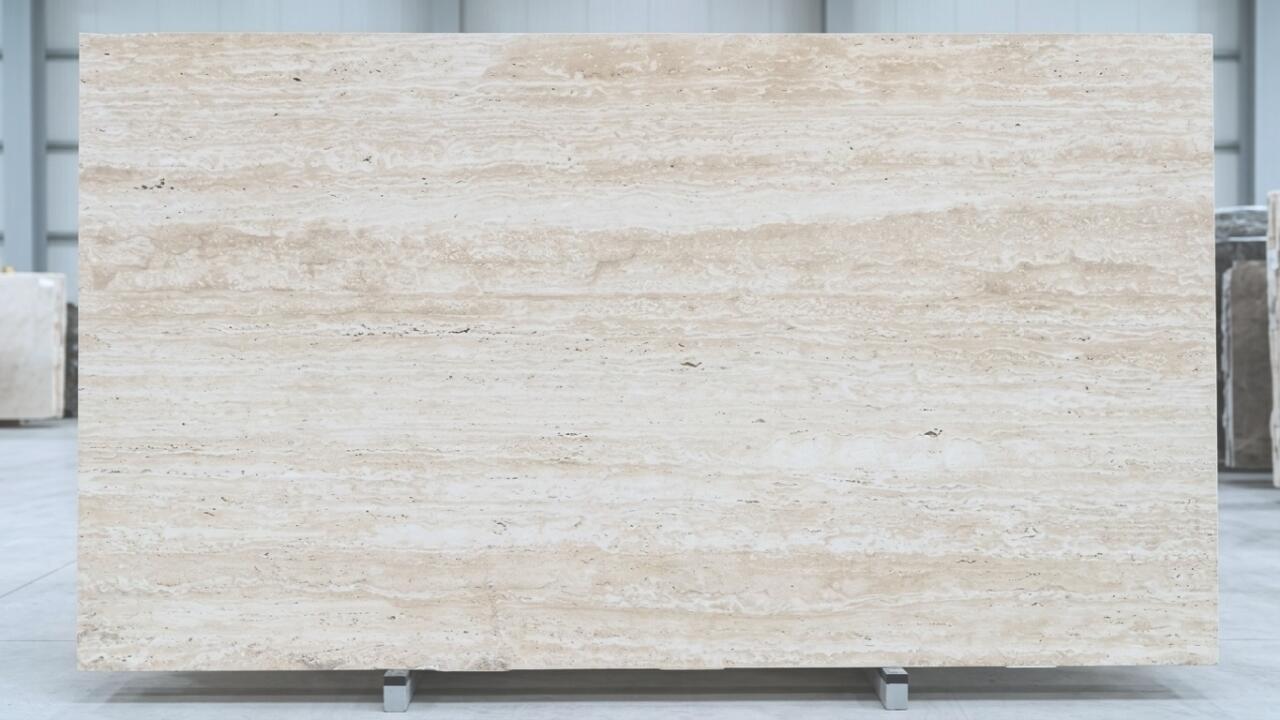
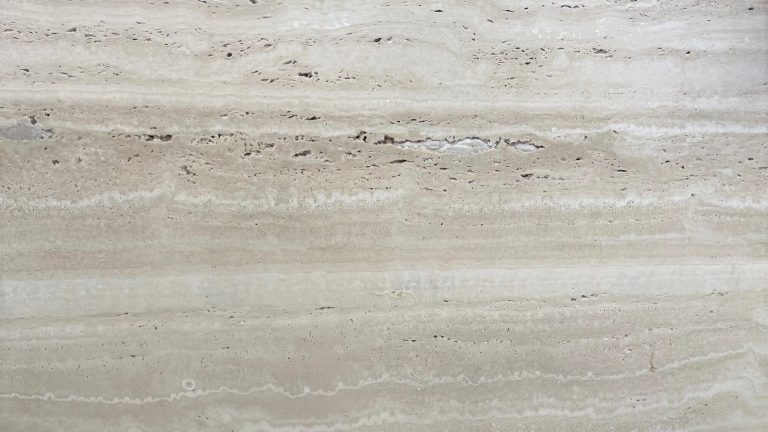
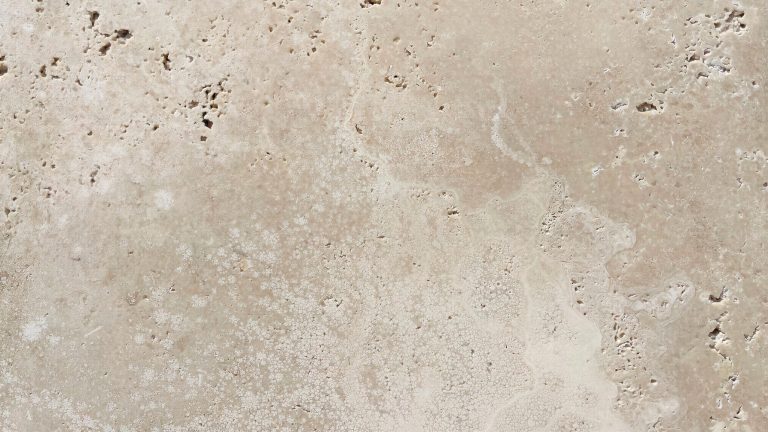
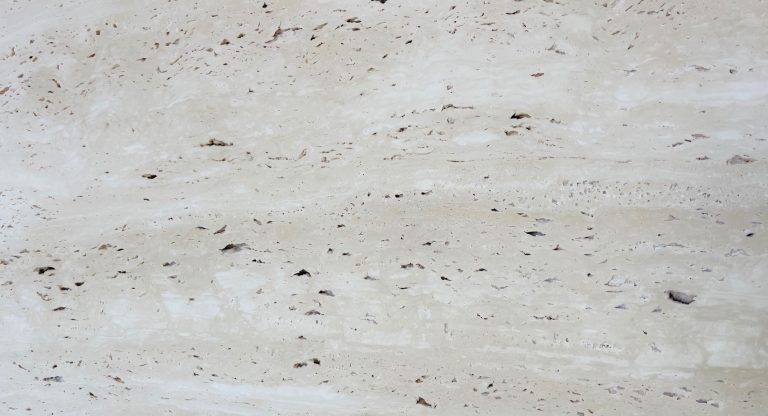
Roman Travertine is a terrestrial sedimentary rock, specifically a form of limestone deposited by mineral springs in the Tibur region of Italy. Formed through the rapid precipitation of calcium carbonate, it is characterized by its distinct pitted surface and fibrous, banded texture. This durable, cream-colored stone has been a foundational material in Western architecture for millennia, featuring prominently in the construction of the Colosseum and St. Peter’s Basilica. Its unique porosity and warm aesthetic continue to make it a favored choice for modern flooring and facades.

Inquire About Roman Travertine

Applications

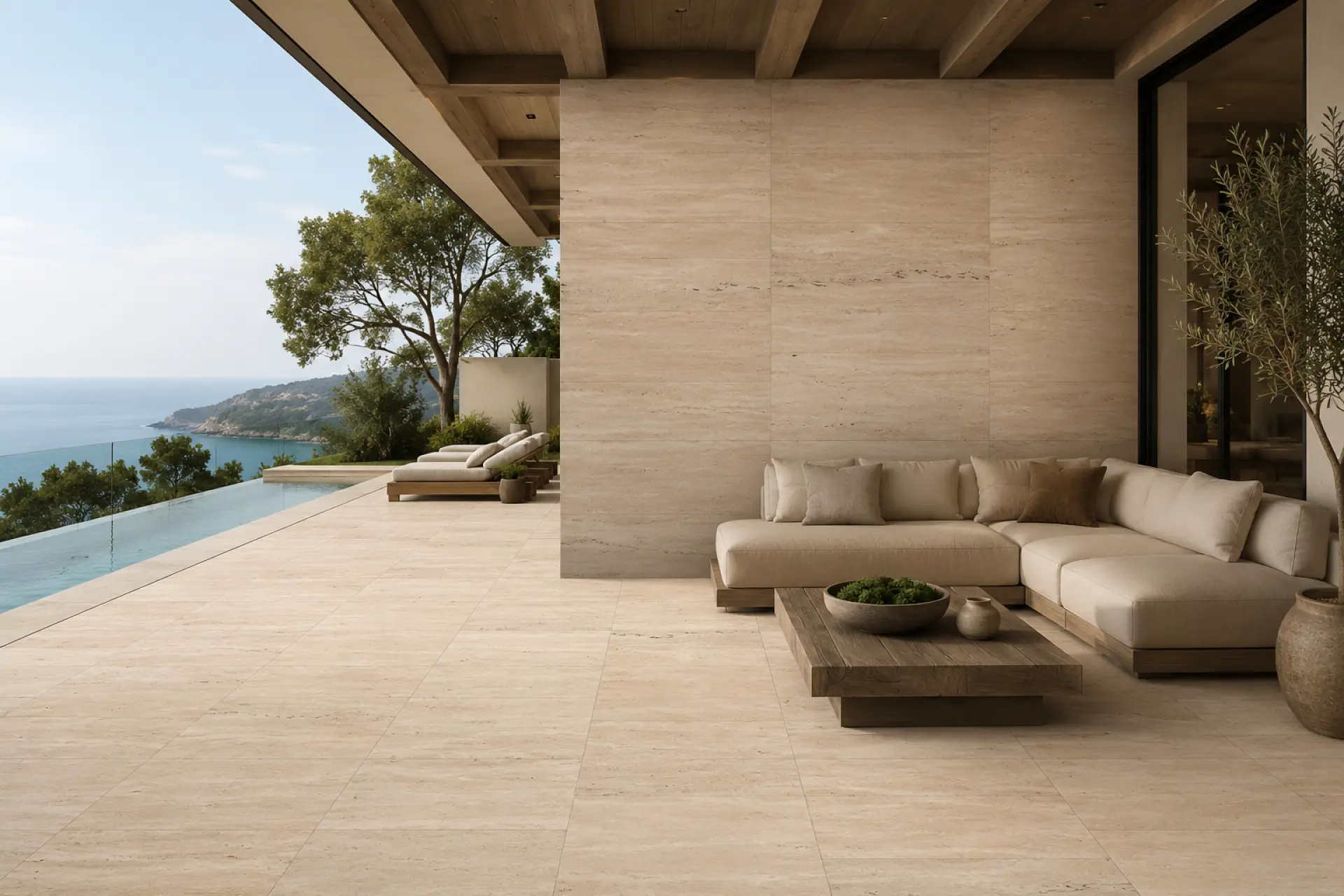
Roman Travertine is a versatile natural stone suitable for a wide range of interior and exterior applications.

  • Backsplashes

    Elegant and durable surface for full height backsplashes.

  • Bathroom Vanities

    Luxurious and moisture resistant for everyday use.

  • Feature Walls

    Large format slabs create seamless statement walls.

  • Fireplace Surrounds

    Adds sophistication and elevates any living space.

  • Flooring

    Suitable for high traffic residential and commercial areas.

  • Commercial Spaces

    Ideal for hotels, lobbies, retail and office environments.

  • Outdoor Applications

    Perfect for covered outdoor kitchens and living areas.

Consider these recommendations a starting point. The suitability of any natural stone ultimately depends on the project, environment, and fabrication approach. While marble is often discouraged for exterior applications, some of the world's most celebrated outdoor architecture—including much of Rome—has been crafted from marble and continues to stand the test of time.

Variation

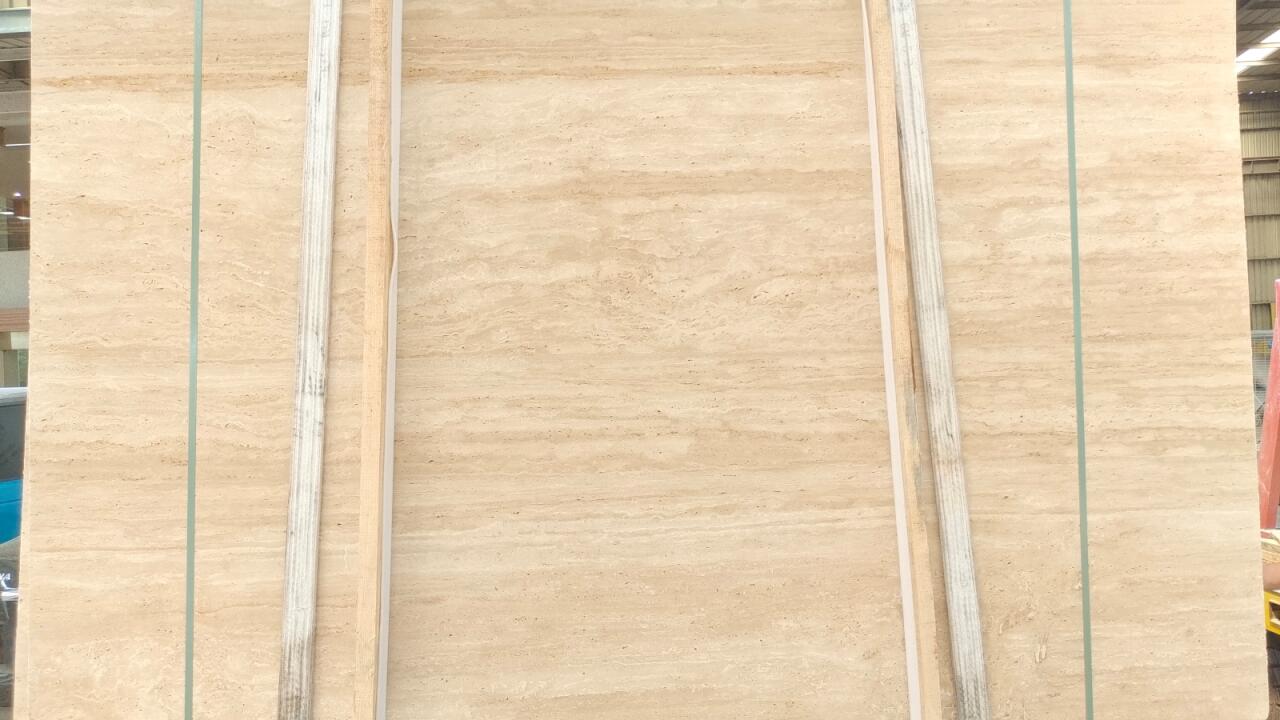
Every slab tells a different story. This scale illustrates the typical range of movement and visual contrast found throughout the material.

V1
V2
V3
V4

This rating is a baseline. With natural stone, some blocks may show higher or lower variation than the grade shown here.

Explore the Material